On April 7, 2026, in Hanoi, the National Cybersecurity Association (NCA) held a workshop themed “AI for Security and Security for AI”. Mr. Pham Tien Dzung, Deputy Governor of the State Bank of Vietnam (SBV) and Vice Chairman of the NCA, attended and delivered remarks at the event.
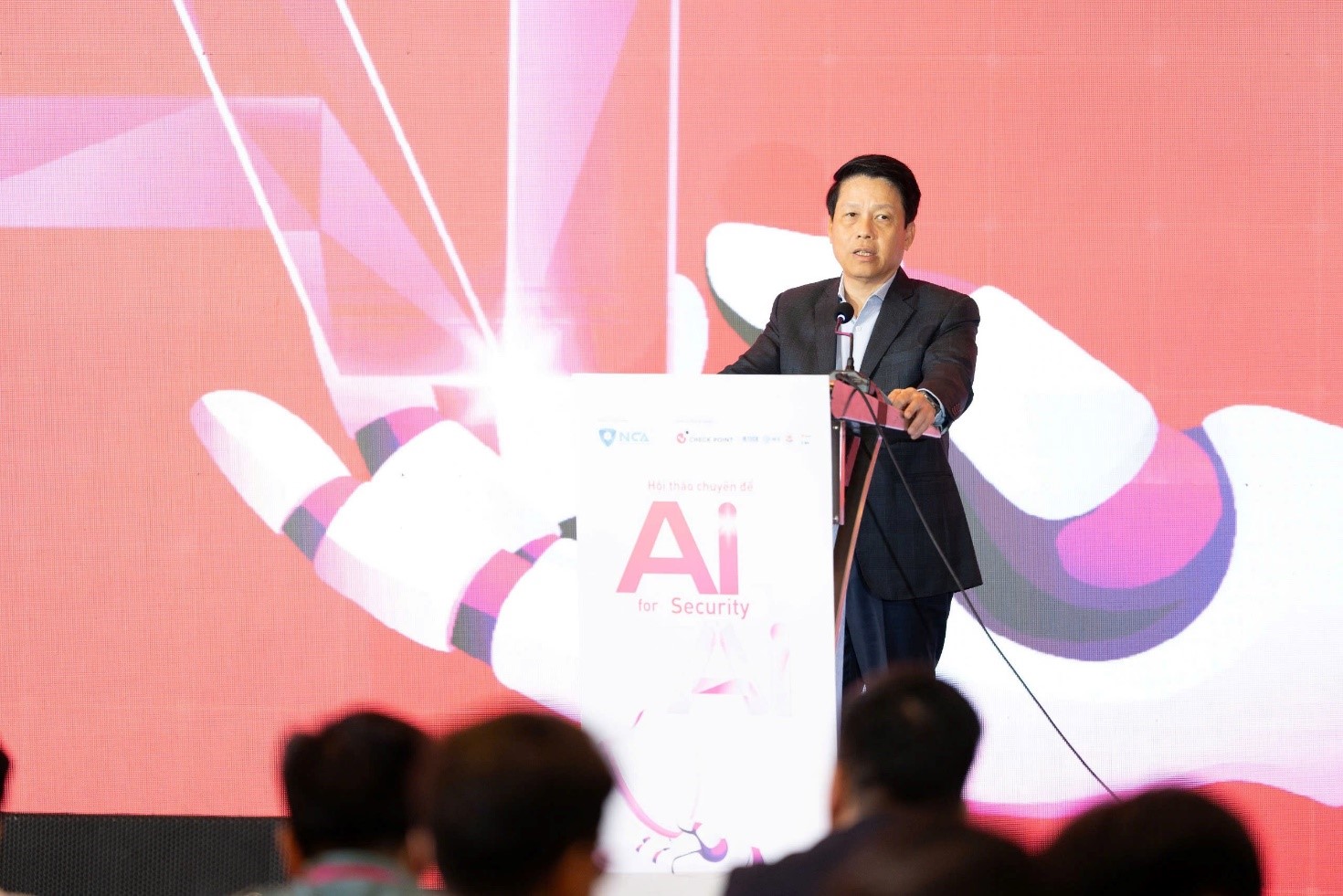
Deputy Governor Pham Tien Dzung delivers remarks at the workshop
Through the workshop, the NCA aims to enhance shared understanding of the impact of artificial intelligence (AI) on cybersecurity, while fostering connections among experts and businesses to exchange knowledge, experience, and technological solutions. The workshop also seeks to strengthen the capacity of the information security workforce to meet the growing demands of digital transformation and real-world AI applications.
In his opening speech, Deputy Governor Pham Tien Dzung emphasized that AI has been developing rapidly in recent years and is gradually becoming a strategic digital infrastructure for nations. This trend has led to increasing demands for ensuring the safety and security of AI systems, as well as leveraging AI to enhance cybersecurity protection.
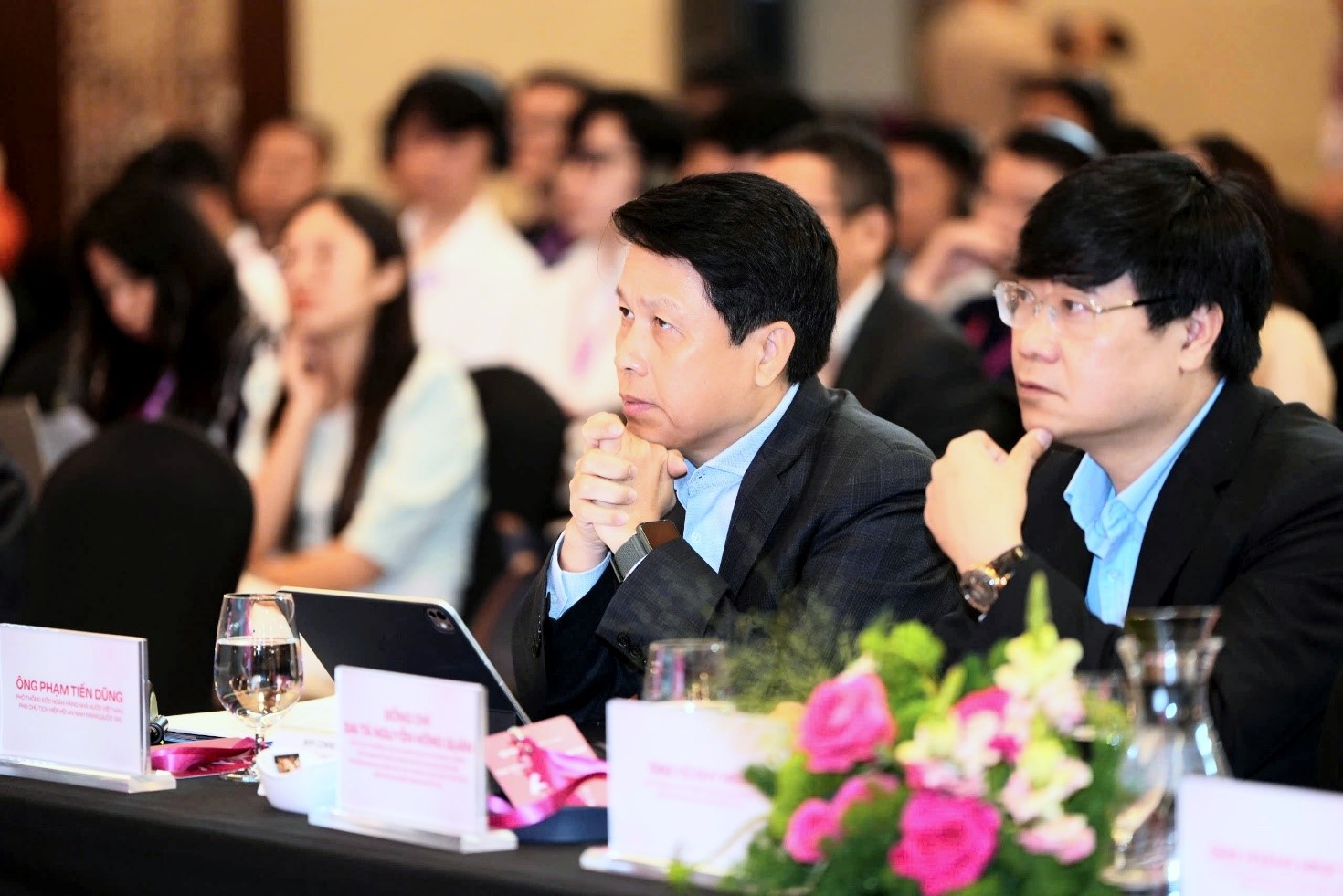
Deputy Governor Pham Tien Dzung at the workshop
According to the Deputy Governor, AI is not only a key driver of socio-economic development but is also transforming the way organizations operate and are governed. In the finance and banking sector, AI has been researched and applied across various areas, including credit assessment and scoring, fraud detection, process automation, and customer support, thereby improving overall operational efficiency.
He further noted that AI is also reshaping global cybersecurity risks and challenges. The growing use of AI by cybercriminals to automate processes, expand scale, and increase the sophistication of cyber attack campaigns has made the cybersecurity landscape more complex, posing significant challenges to traditional defense methods.
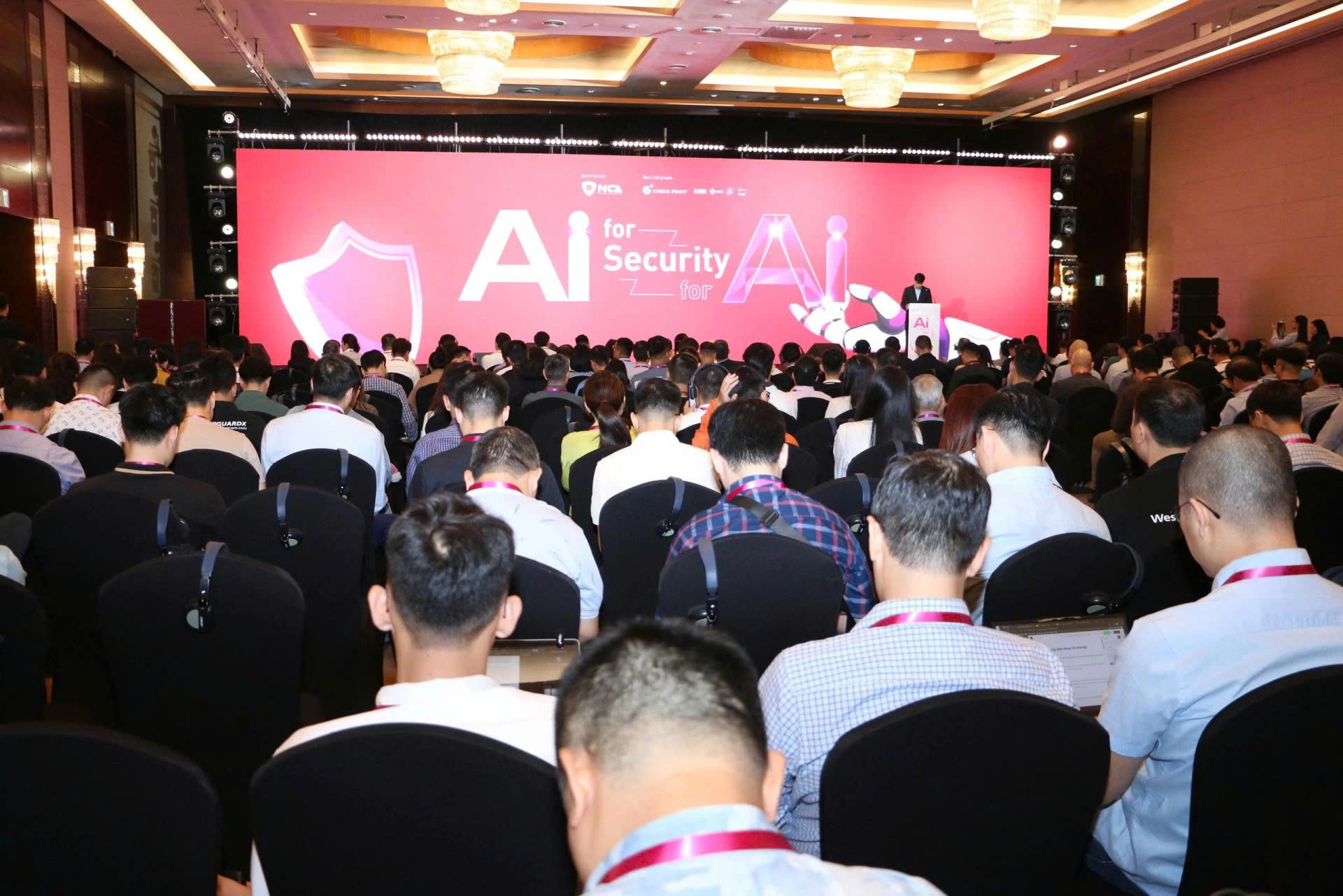
Overview of the workshop
At the workshop, experts highlighted that cybersecurity is facing unprecedented challenges, as the rapid advancement of AI may unintentionally create new security vulnerabilities. They also pointed out that AI is transforming both the methods and nature of cyber threats, with personalized scams and deepfake content becoming increasingly difficult to detect.